What Is a Certificate of Analysis (COA) and Why Should You Care?

When you’re choosing a mushroom supplement, you should be able to understand what you’re actually getting. Product labels can provide important information, but a Certificate of Analysis (COA) gives you a much closer look at the contents and testing behind a product.
A COA is a laboratory report that provides a breakdown of a product’s tested components and quality specifications. Depending on the product, this can include active compounds such as beta-glucans, as well as testing for heavy metals, microorganisms, and other potential contaminants.
In other words, a COA helps take the guesswork out of what’s inside your mushroom supplement.
Why Does a COA Matter?
Transparency matters when it comes to supplements.
It’s easy for a company to make statements about the quality or composition of its products, but testing provides information that customers can actually review for themselves.
A COA can show whether a product meets specific testing specifications and provide measurable results for important components. For example, Organic Mushrooms’ COAs include testing for beta-glucans, microbiological factors, and heavy metals.
This gives customers more information when deciding which products they want to add to their routine.
What Can You Find on a COA?
COAs can look complicated at first, especially if you’re not familiar with laboratory testing. However, the information is generally straightforward once you know what you’re looking at.
A COA can include:
Active compounds: These are the compounds being measured in the mushroom extract. For our products, this includes beta-glucans, which are commonly used as an indicator when testing mushroom extracts.
Heavy metals: Testing can measure substances such as arsenic, cadmium, lead, and mercury.
Microbiological testing: This can include testing for microorganisms such as yeast, mold, Salmonella, and E. coli.
Test results: The report shows the actual laboratory results alongside the applicable specifications.
Batch information: COAs can identify the specific lot or batch that was tested, providing traceability for the product.
This information gives you a much more detailed picture than simply looking at the front of a package.
Transparency Starts With Showing the Results
At Organic Mushrooms, we believe customers should be able to see the information behind the products they purchase.
That’s why we make our Certificates of Analysis publicly available on our website. You don’t need to contact us and request a report or simply take our word for what’s inside. Our COAs are available for customers to review directly through our Transparency page.
We currently provide publicly accessible COAs for products including Lion’s Mane, Cordyceps, Reishi, Chaga, Turkey Tail, Shiitake, Maitake, and Daily VitaMush.
We believe that if we’re going to talk about what’s in our products, you should be able to see the testing for yourself.
What Do Our COAs Show?
Our publicly available COAs provide specific testing information rather than simply stating that a product has been tested.
For example, our Turkey Tail COA includes a beta-glucan result, along with microbiological testing and measurements for heavy metals. The report identifies the batch tested and provides the laboratory methods and dates associated with the results.
Our Cordyceps COA provides similar information, including a measured beta-glucan result and testing for heavy metals and microbiological factors.
This level of detail allows customers to go beyond a product description and see actual laboratory testing information.
Why We Make Our COAs Public
For us, publishing COAs is about more than checking a box.
We want to make it easy for customers to learn about our products and understand the standards behind them. Our approach to transparency includes making our testing information accessible alongside information about how our mushrooms are grown, processed, and produced.
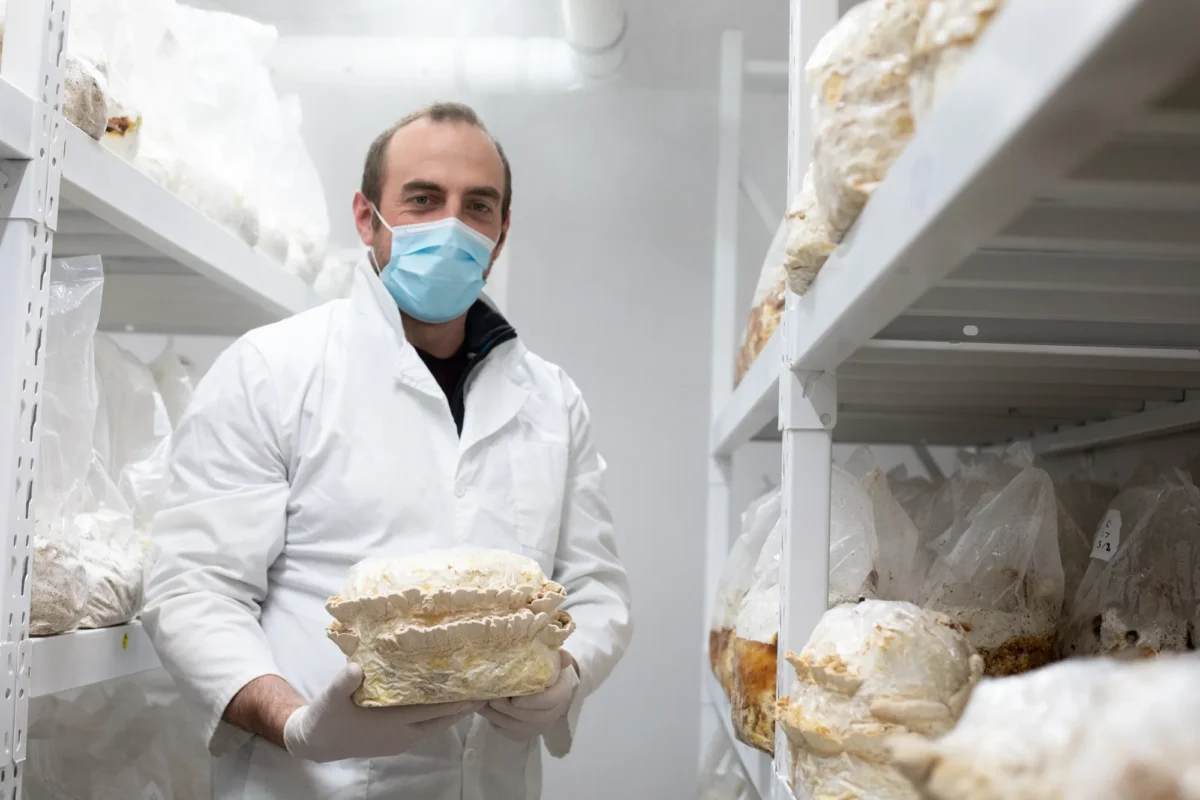
We grow our organic mushrooms in Canada and focus on producing supplements without fillers. We also conduct both in-house and third-party testing, with testing results published on our website.
We believe customers shouldn’t have to wonder what’s behind the label.
See the Testing for Yourself
A COA doesn’t require you to be a laboratory expert. It’s simply another tool that can help you understand the products you’re considering.
At Organic Mushrooms, we’ve chosen to make that information available publicly because we believe transparency should be easy, accessible, and straightforward.
Want to see exactly what has been tested in our products? Visit our Transparency page to explore our publicly available Certificates of Analysis and review the laboratory results for yourself.
For us, transparency means showing you what’s behind the label, not just telling you about it.