The History of Ashwagandha

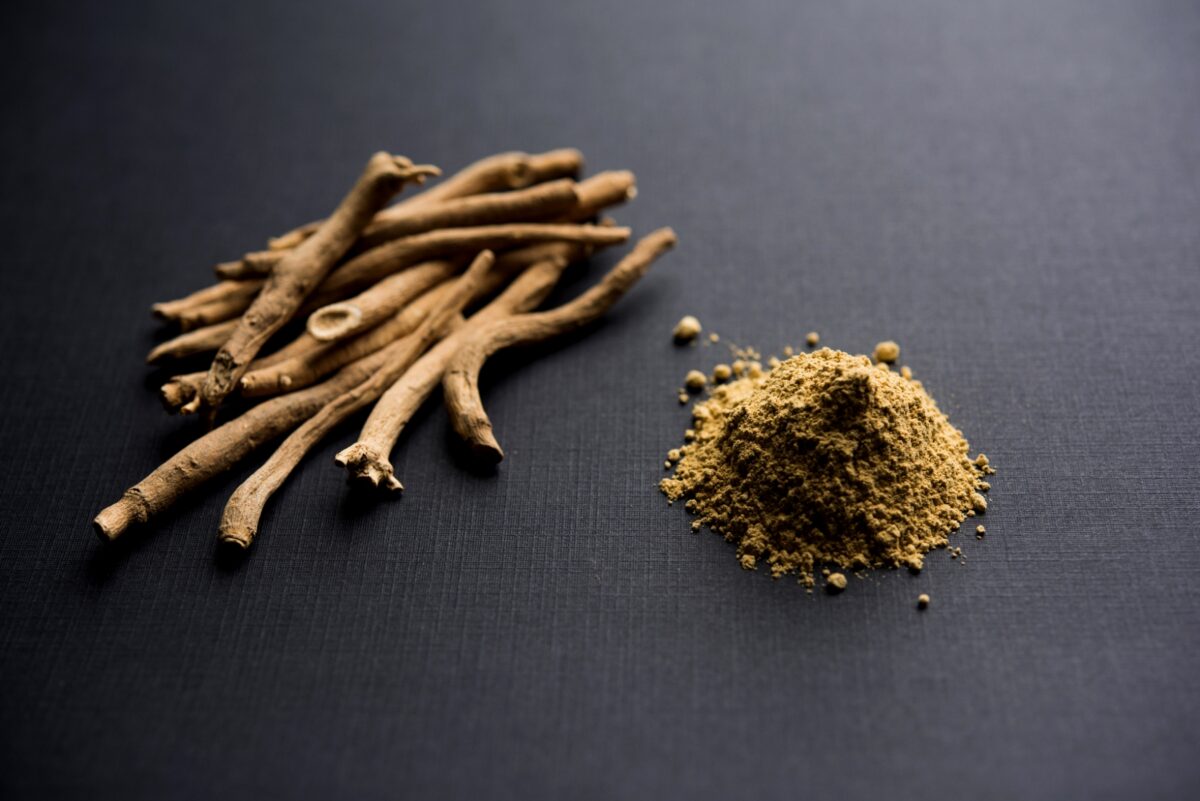
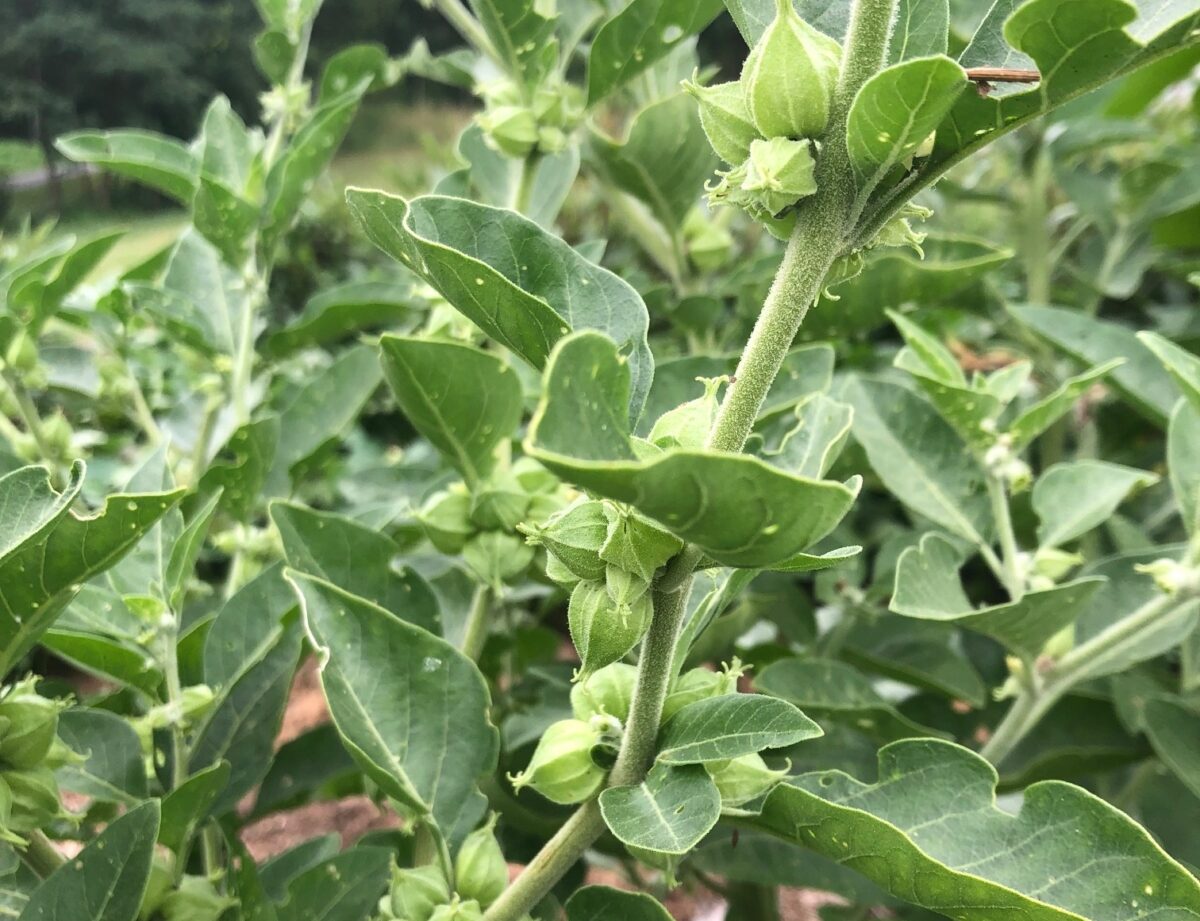
Ashwagandha, or Withania somnifera, is a plant with a history that spans thousands of years. Native to India, the Middle East, and parts of Africa, this small shrub has played a meaningful role in traditional medicine and cultural practices. Its Sanskrit name, roughly translating to “smell of the horse,” reflects both its unique aroma and its symbolic association with vitality and strength in historical texts.
Origins in Ayurveda
Ashwagandha is first documented in Ayurveda, India’s ancient medical system dating back over 3,000 years. In these traditions, the plant was considered a rasayana, a category of herbs valued for their adaptability in daily wellness practices. Historical texts like the Charaka Samhita and Sushruta Samhita describe Ashwagandha as an integral part of daily routines, using roots, leaves, and berries in various preparations.
Symbolism and Use
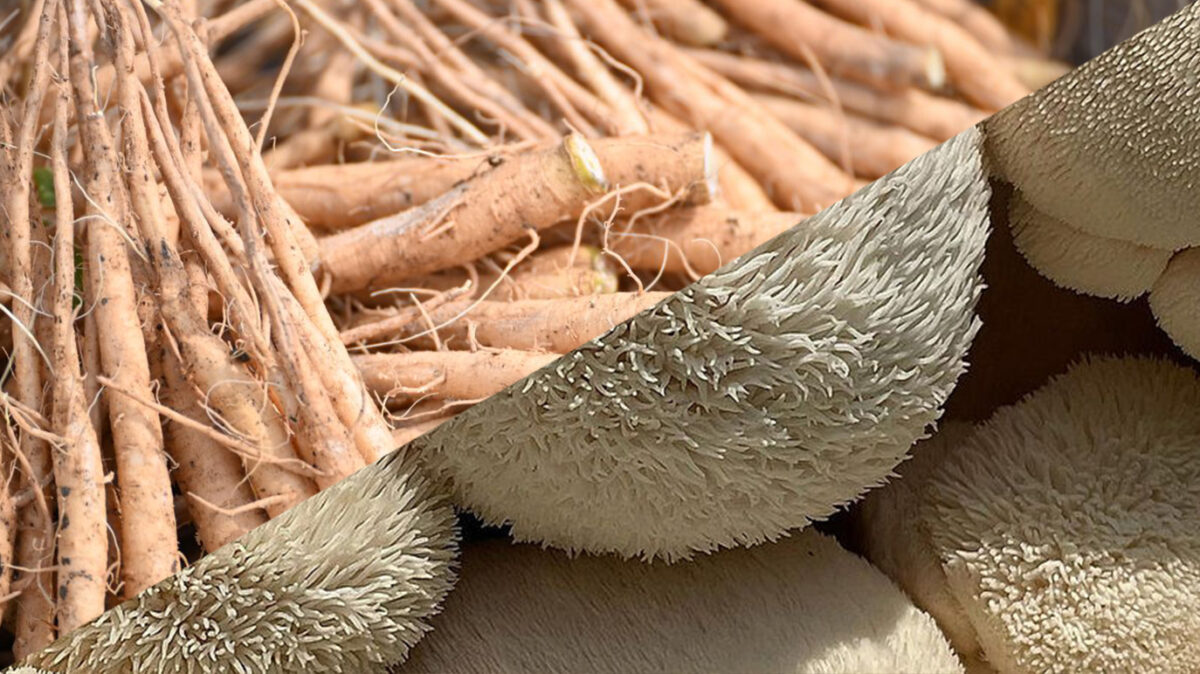
The root was regarded as the most potent part of the plant. Its Sanskrit name, ashwa (horse) and gandha (smell), evoked notions of strength and endurance, often connecting the herb to warriors and laborers in traditional narratives.
Spread to Middle Eastern Traditions
Ashwagandha’s significance was not confined to India. In the Unani system of medicine, which blends Greek and Islamic medical knowledge, the plant became a recognized ingredient in local remedies. Trade routes between India and the Middle East facilitated its adoption, allowing herbalists and apothecaries to incorporate Ashwagandha into diverse preparations across centuries.
Recognition in Europe
During the 16th and 17th centuries, European scholars and botanists began documenting Ashwagandha. As botanical gardens collected plants from Asia, the shrub gained attention for its distinctive roots and berries. Illustrations from this period reflect both curiosity and admiration, marking Ashwagandha’s first steps toward a global presence outside its traditional regions.
European Perspective
While initially considered exotic, the plant was increasingly recognized for its long-standing use in Ayurveda and Unani medicine, bridging cultural knowledge between continents.
Modern Cultivation and Global Awareness
Today, Ashwagandha is cultivated in multiple regions beyond its native habitat, including parts of Africa and the Americas, though India remains a primary center for traditional preparations. Modern herbal companies emphasize sustainable and organic cultivation, preserving both the plant’s heritage and traditional processing methods. Its global recognition reflects not only interest in historical practices but also a broader appreciation for botanical tradition.
Ashwagandha’s Enduring Legacy
Ashwagandha’s history tells a story of cultural exchange, tradition, and adaptation. From ancient Sanskrit manuscripts to medieval Unani texts, and from European botanical gardens to modern herbal markets, the plant has maintained a continuous presence across civilizations. Its journey highlights the enduring relationship between humans and plants, and the ways traditional knowledge continues to shape contemporary herbal practices.
If you enjoyed learning about the brief history of Ashwagandha, check out our blog where we dive into similar topics just like this one!