Search

Meet the Mushrooms – A Guide to Functional Varieties

Functional mushrooms have become a familiar part of many people’s daily routines. From powders added to coffee to capsules and extracts taken alongside other supplements, these unique fungi are being used in simple, practical ways throughout the day. While mushrooms have been used in traditional cultures for generations, today they are being rediscovered through modern wellness products and functional foods.

For those just getting started, the variety of functional mushrooms available can feel overwhelming. Each mushroom has its own history, growing environment, and unique characteristics. In this guide, we’ll take a closer look at five of the most recognized functional varieties: Lion’s Mane, Reishi, Cordyceps, Chaga, and Turkey Tail.

Lion’s Mane

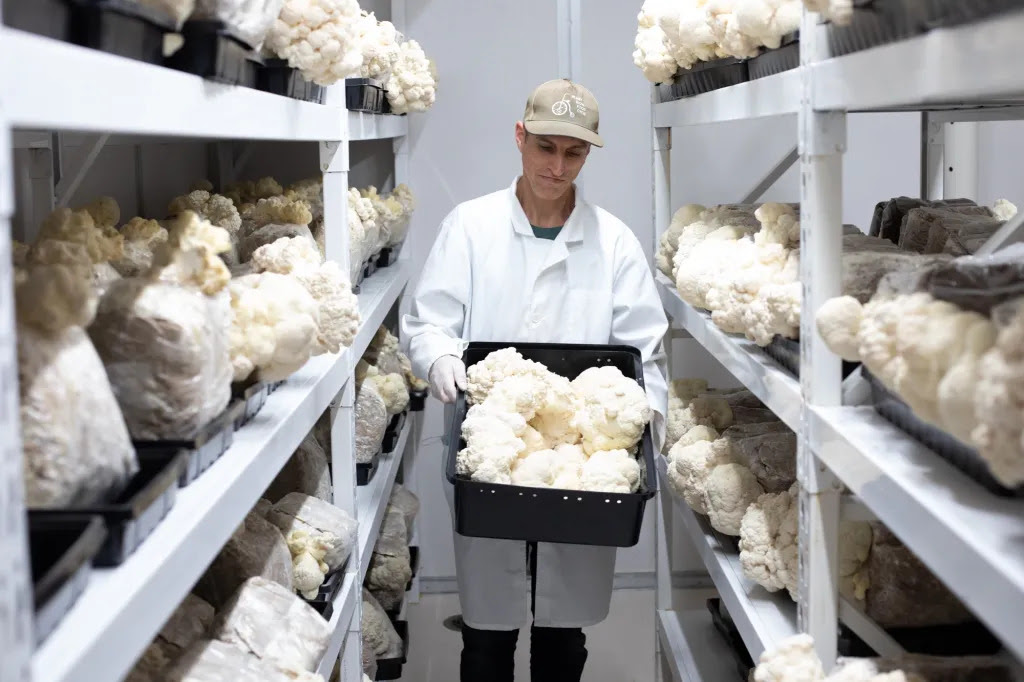
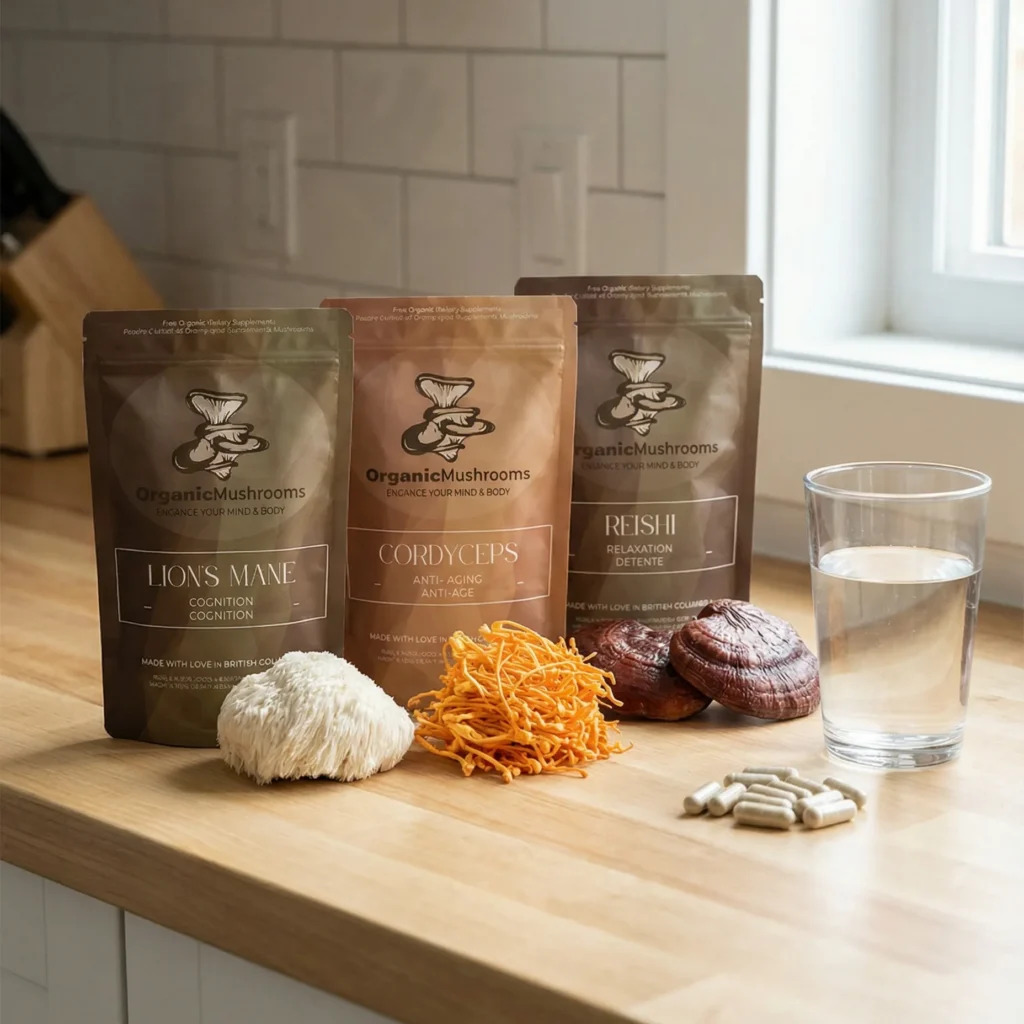
Lion’s Mane is one of the most visually distinctive mushrooms you’ll come across. Instead of the typical cap-and-stem shape, this mushroom grows in cascading white strands that resemble a lion’s mane, which is where it gets its name.

In the wild, Lion’s Mane grows on hardwood trees in forests across North America, Europe, and Asia. It has been used traditionally in a variety of culinary and cultural contexts and is often appreciated for its unique texture and mild flavour when used as a food.

Today, Lion’s Mane is one of the most recognizable functional mushroom varieties found in powders, capsules, and extracts. Many people incorporate it into their morning routines, often mixing mushroom powder into coffee, tea, or smoothies.

Reishi

Reishi has a long history of use in traditional practices and is sometimes referred to as the “mushroom of longevity” in historical texts. It is easily identified by its glossy, reddish-brown surface and woody structure.

This mushroom naturally grows on hardwood trees and fallen logs, particularly in humid forest environments. Because of its tough texture, Reishi is rarely eaten as a culinary mushroom. Instead, it is typically prepared through extraction methods and used in powdered or capsule form.

In modern functional mushroom products, Reishi is commonly included in evening routines or wellness blends. Its deep history and distinctive appearance have made it one of the most recognizable mushrooms in the functional category.

Cordyceps

Cordyceps is one of the most unique mushrooms in the fungal world. Unlike many other mushrooms that grow from soil or wood, Cordyceps grows in a very specialized natural environment.

Traditionally found in high-altitude regions of Asia, Cordyceps has a long history of use in various cultural traditions. Today, most Cordyceps used in supplements is cultivated through controlled fermentation processes, making it more accessible and consistent.

Cordyceps has become a popular addition to functional mushroom blends, particularly in powders and capsules. Many people add it to smoothies, drinks, or daily supplement routines as part of their broader functional mushroom regimen.

Chaga

Chaga stands out immediately because it doesn’t look like a typical mushroom. Instead of forming a recognizable cap, Chaga appears as a dark, rough growth on birch trees. Its exterior looks similar to charred wood, while the inside has a warm orange colour.

This mushroom grows in colder climates, including northern forests in Canada, Russia, and parts of Northern Europe. Because of its dense structure, Chaga is usually processed into powders, chunks, or extracts rather than used as a culinary mushroom.

Chaga is commonly used in teas, tinctures, and powdered blends. Its connection to northern forests and traditional use has made it a familiar name among people exploring functional mushrooms.

Turkey Tail

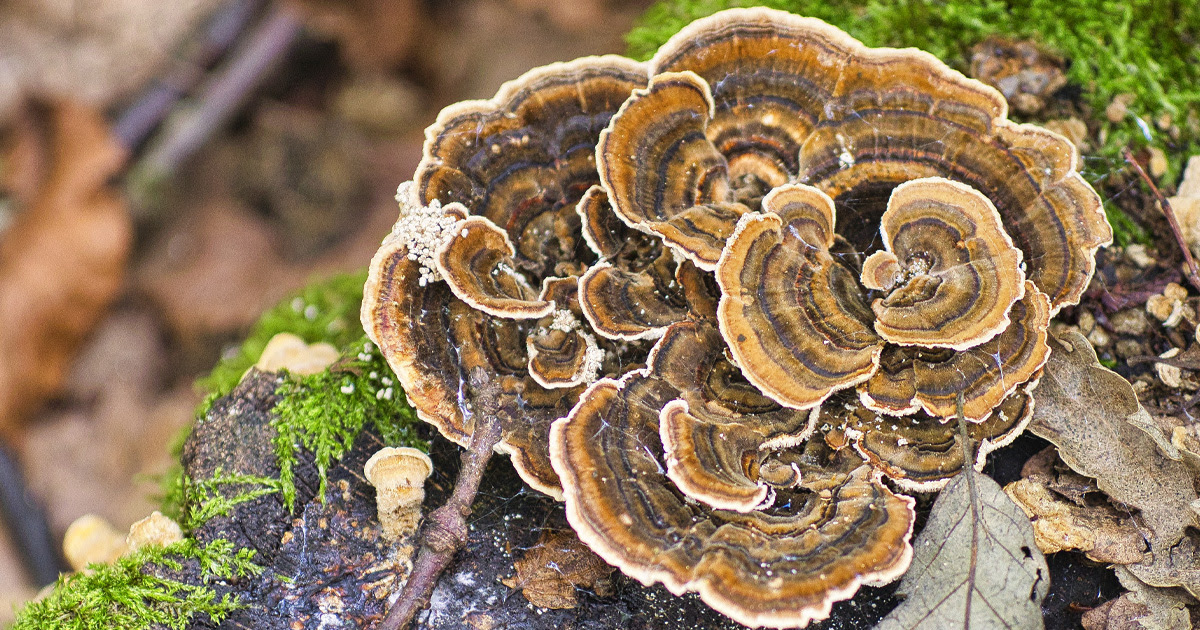
Turkey Tail is another visually striking mushroom variety. It grows in layered formations on fallen logs and tree stumps, displaying bands of colour that resemble the pattern of a wild turkey’s tail feathers.

This mushroom is widely distributed across forests around the world and is one of the most commonly found bracket fungi. Its thin, fan-shaped structure and colourful rings make it easy to identify in the wild.

Like several other functional mushrooms, Turkey Tail is typically used in extract or powdered form rather than as a culinary ingredient. It often appears in mushroom blends alongside other well-known varieties.

Exploring the World of Functional Mushrooms

Lion’s Mane, Reishi, Cordyceps, Chaga, and Turkey Tail are just a small introduction to the diverse world of functional mushrooms. Each variety has its own growing environment, appearance, and history of use, which is part of what makes these fungi so interesting to explore.

At Organic Mushrooms, we work with a wide range of functional mushroom varieties. These five are just the beginning. If you’re interested in learning more about different mushrooms and the products we offer, explore our shop to discover the full range of functional varieties available.

Your Daily Mushroom Routine, Simplified

Adding functional mushrooms to your day doesn’t need to be complicated. No long protocols, no strict schedules, just a simple routine that fits naturally into what you’re already doing.

At Organic Mushrooms, we keep things straightforward. The goal isn’t to overhaul your lifestyle. It’s to build something consistent, easy to follow, and sustainable over time.

Here’s how to simplify your daily mushroom routine and actually stick with it.

Start with what you already do

The easiest way to build any habit is to attach it to something that’s already part of your day. You don’t need to create a brand new ritual, just upgrade an existing one.

For most people, mornings are the best place to start. Coffee, tea, or even a glass of water, these are already built-in habits. Adding your mushrooms here keeps things simple and repeatable.

Same routine, just one small addition.

And that’s the key, small changes are easier to maintain than big ones.

Make mornings your anchor

Your morning routine sets the tone for the rest of the day. It’s predictable, consistent, and easier to control compared to everything that comes later.

By taking your mushrooms in the morning, you remove the guesswork. No forgetting, no squeezing it in later, no disruption.

Just mix, drink, and move on with your day.

If mornings feel rushed, keep it even simpler. Pre-measure your serving the night before or keep your container beside your coffee setup so it’s always within reach.

The less effort it takes, the more likely you are to follow through.

Consistency over complexity

It’s easy to overthink routines, what time is best, how often, what combination works. But the reality is, consistency matters more than perfection.

A simple routine done daily is far more effective than a complicated one you only follow occasionally.

Think of it like any other daily habit. You don’t question when to brush your teeth, you just do it. The same mindset applies here.

Show up, keep it consistent, and let the routine become automatic.

Stack it into your day

If mornings don’t work for you, that’s fine. The goal is flexibility, not rigidity.

Functional mushrooms can easily fit into different parts of your day depending on your schedule. Add them to your pre-workout drink, your afternoon coffee, or a smoothie after work.

The idea is to stack it onto something that already happens, so it doesn’t feel like an extra task.

No separate routine required, just a seamless addition.

Keep it visible

One of the simplest ways to stay consistent is also one of the most overlooked: keep your setup in plain sight.

If your mushrooms are tucked away in a cupboard, it’s easy to forget about them. But when they’re right in front of you, next to your coffee machine, on your kitchen counter, or in your gym bag, they become part of your environment.

Visibility creates reminders without needing to think about it.

And when something is easy to see, it’s easier to use.

Remove friction

Good routines feel effortless. If something feels like a chore, it’s much harder to stick with long-term.

Look for ways to reduce friction wherever you can. Keep a scoop in the container. Store it where you use it. Pair it with something you enjoy.

Even small adjustments can make a big difference in how consistent you are.

The smoother the process, the more natural it becomes.

Find your rhythm

There’s no single “perfect” routine that works for everyone. Some people prefer a single serving in the morning, while others split it across different moments in the day.

The best routine is the one that fits your lifestyle without forcing changes.

Start simple. Pay attention to what feels easy to maintain. Adjust as needed.

This isn’t about strict rules, it’s about building something that works for you.

Keep expectations realistic

A routine isn’t about instant results or dramatic changes overnight. It’s about showing up daily and building something steady over time.

When you keep expectations grounded, it’s easier to stay consistent without feeling like you need to constantly adjust or optimize.

Simple habits, repeated over time, are what make routines stick.

A simple approach that lasts

At the end of the day, your routine should support your lifestyle, not complicate it.

Functional mushrooms are meant to fit into your day with minimal effort. No stress, no overthinking, no unnecessary steps.

Keep it simple. Keep it consistent. And build a routine that feels natural from day one.

Because the best routine is the one you actually follow.

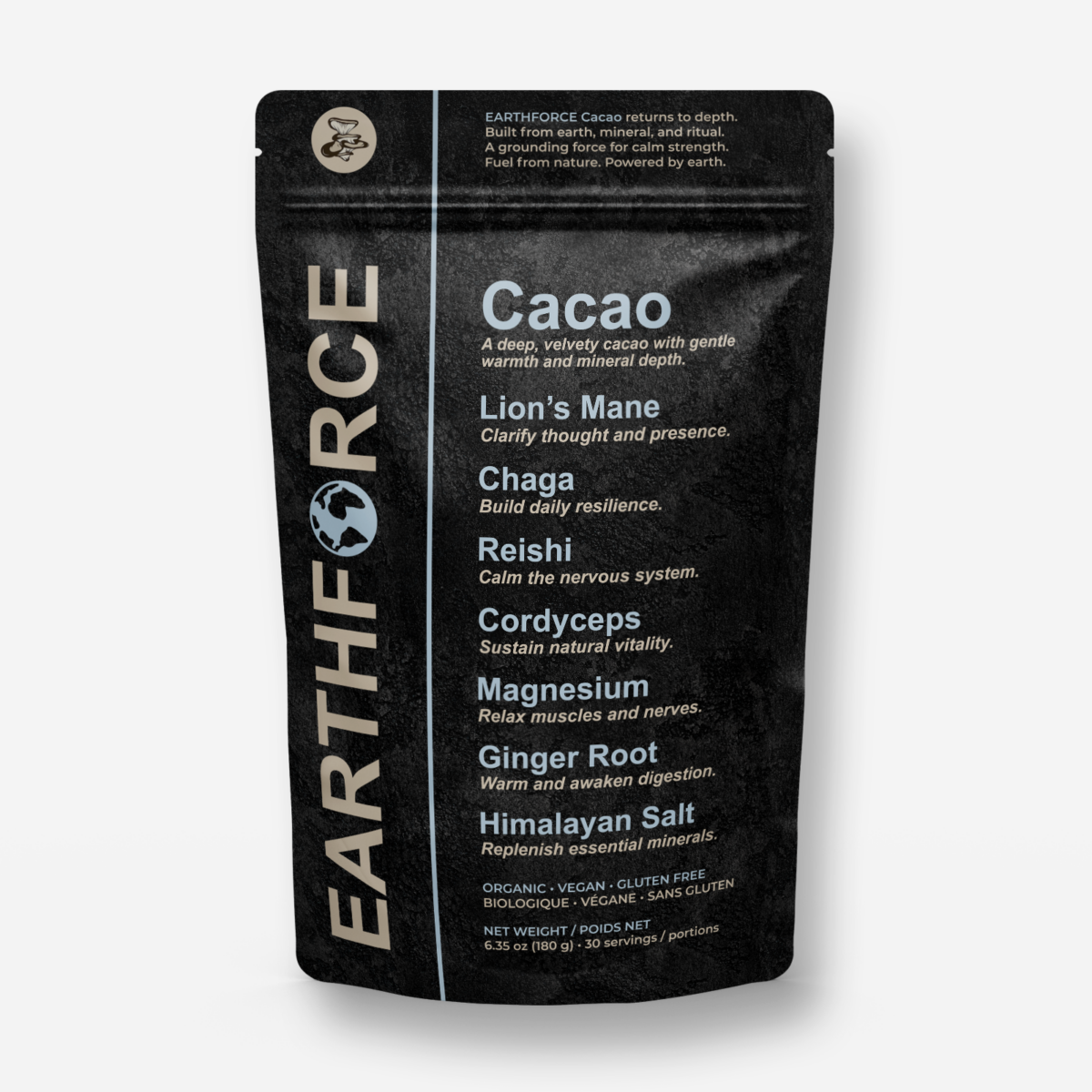
EARTHFORCE – Sample Pack

If you’re new to EARTHFORCE, the Sample Pack is the perfect place to begin.

Not sure where to start with EARTHFORCE? This pack lets you experience the full lineup before committing to a full size. Inside, you’ll find 3 servings of each of the four EARTHFORCE blends, 12 servings total, giving you the opportunity to explore the different flavours and discover which ritual fits best into your daily routine.

Each blend brings its own character to the experience. From the bold, earthy depth of Raw, to the smooth focus of Matcha, the rich grounding notes of Cacao, and the warming spice of Chai Tea, every option offers something slightly different while staying rooted in the same philosophy.

All EARTHFORCE blends are crafted with functional mushrooms, adaptogens, and essential minerals, designed to support steady energy and mental clarity throughout the day.

But EARTHFORCE isn’t just about flavour or convenience.

In a world that moves at a frantic pace, many of us feel disconnected from something deeper, from the earth, from natural rhythms, and from the kind of energy that feels steady rather than forced. Instead of quick fixes, more people are searching for something grounded. Something that works with the body rather than pushing against it.

EARTHFORCE was created from that idea.

The blends are built from some of the oldest ingredients nature offers: roots that anchor us, minerals formed from rock, and mushrooms that have been valued for generations. These ingredients come together in a simple but powerful way, forming a drink meant to be part of a daily rhythm rather than just another product on the shelf.

Because EARTHFORCE was never meant to be just another drink.

It’s meant to be a daily ritual, a small moment to reset and reconnect. A pause in the middle of a busy day. Each scoop brings together ingredients chosen to help calm the nervous system, uplift the spirit, and support steady energy, focus, and resilience.

This is energy designed to work with your body, not against it.

And the Sample Pack makes it easy to explore that experience for yourself. Instead of committing to one flavour right away, you can try them all, discover which blends you enjoy most, and find how EARTHFORCE fits naturally into your routine.

Every EARTHFORCE blend is made with 100% organic ingredients.

No fillers.
No extras.
No artificial anything.

Just simple, carefully selected ingredients, and the chance to reconnect with a more grounded kind of energy.

How to Build a Simple Wellness Routine with Functional Mushrooms

Functional mushrooms have become a popular addition to modern wellness routines, not because they promise quick fixes, but because they can be incorporated in a simple, sustainable way. If you’re looking to build a routine that feels realistic and easy to maintain, the key is clarity, consistency, and simplicity.

Here’s how to do it.

Start With Intention

Before adding anything new to your daily habits, decide what you want your routine to support. Maybe you want to feel more balanced during busy workdays. Maybe you’re building a more mindful morning. Or maybe you’re simply looking to round out an already healthy lifestyle.

Functional mushrooms are best approached as part of a broader wellness picture, not as a shortcut or solution, but as a steady addition to habits you’re already building.

Choose the Right Format for Your Lifestyle

One of the biggest advantages of functional mushrooms is flexibility. They’re available in several formats, making it easier to fit them into your day without disruption.

Powder
Easy to mix into coffee, tea, smoothies, or oatmeal. Great if you already have a morning beverage ritual.

Capsule
Simple, convenient, and ideal if you prefer a no-prep option. Capsules work well alongside other daily supplements.

Tincture
A liquid extract that can be taken directly or added to a drink. Often chosen for quick, streamlined use.

Gummy
A straightforward and approachable option that requires no mixing or measuring.

The best choice comes down to what feels natural in your routine. If it’s easy, you’re more likely to stay consistent.

Keep It Consistent

When building any wellness habit, consistency matters more than intensity. Stick with the recommended serving from a reputable brand and make it part of your daily rhythm.

Avoid the mindset of “more is better.” Instead, think long-term. A simple, steady approach is typically more sustainable than constantly changing products or routines.

Pair It With Existing Habits

Habit stacking makes everything easier. Consider:

  • Adding powder to your morning coffee.
  • Taking a capsule with breakfast.
  • Using a tincture as part of your mid-day reset.
  • Having a gummy alongside your evening routine.

When it’s attached to something you already do, it becomes automatic.

Support the Bigger Picture

Functional mushrooms are just one piece of a healthy lifestyle. They work best alongside balanced nutrition, regular movement, quality sleep, and stress management.

Rather than viewing them as a stand-alone solution, think of them as part of a broader commitment to feeling your best day to day.

Keep It Simple

You don’t need an elaborate routine to support your wellness goals. Start small. Choose one format. Be consistent. Let it become part of your rhythm.

Over time, small daily habits often make the biggest difference, and the simplest routines are usually the ones that last.

For more information on functional mushrooms, including recent news and scientific studies, check out our blog.

Research on Reishi

Unlike culinary mushrooms, Reishi is typically consumed in extracts, powders, teas, or capsules. Modern scientific interest focuses not on folklore, but on its biochemical composition, particularly compounds such as triterpenoids, polysaccharides (including beta-glucans), and other secondary metabolites that researchers have studied in laboratory and clinical settings.

One widely cited scientific overview of this mushroom appears in Herbal Medicine: Biomolecular and Clinical Aspects, in the chapter titled Ganoderma lucidum (Lingzhi or Reishi): A Medicinal Mushroom.

Chapter Introduction

The chapter begins by outlining Reishi’s long-standing role in traditional Chinese medicine, where it has historically been classified as a superior herb. The authors note that while traditional systems attributed broad wellness-supporting properties to the mushroom, modern research aims to understand its activity through chemical analysis and biomedical investigation.

The introduction explains that scientific interest in Reishi largely centers on two major groups of compounds:

  • Polysaccharides, particularly beta-glucans, which are studied for their interaction with immune-related pathways.
  • Triterpenoids, including ganoderic acids, which have been examined in laboratory research for various biological activities.

The authors emphasize that much of the early evidence comes from in vitro (cell-based) and animal studies. They also highlight that while interest is strong, human clinical research remains more limited in scope and scale compared to laboratory data.

Chapter Conclusion

In the conclusion, the authors reiterate that Ganoderma lucidum contains a diverse array of bioactive compounds that have demonstrated biological activity in experimental models.

They note that laboratory studies have explored areas such as:

  • Immune system modulation
  • Antioxidant activity
  • Effects observed in cancer-related experimental models
  • Liver-related and cardiovascular-related research models

However, the authors also stress that while preclinical findings are substantial, more well-designed human clinical trials are needed to fully confirm efficacy, clarify dosing, and total effectiveness.

Our Thoughts

Research on Reishi reflects an interesting intersection between traditional herbal practice and modern laboratory science. The reviewed chapter presents Ganoderma lucidum as a chemically complex mushroom that has attracted serious scientific attention, particularly for its polysaccharides and triterpenoids.

At the same time, the authors make it clear that further research is needed to fully verify and vet current understandings of Reishi and its overall effectiveness.

At Organic Mushrooms, we recognize the growing scientific interest surrounding Reishi and look forward to continued research on functional mushrooms, regardless of the conclusions future studies may present.

Disclaimer

Any and all references to biological activities, experimental findings, or potential health-related effects mentioned above are drawn directly from the chapter “Ganoderma lucidum (Lingzhi or Reishi): A Medicinal Mushroom in Herbal Medicine: Biomolecular and Clinical Aspects (2nd edition, 2011). This blog is a summary of that source and does not constitute medical advice, diagnosis, or treatment recommendations.

Which Form is Best to Take in the Morning?

Which Mushroom Format Works Best in the Morning?

At Organic Mushrooms, we offer functional mushroom varieties like Lion’s Mane, Cordyceps, Reishi, Turkey Tail, and Chaga, plus blends like Daily VitaMush, in several formats. But which one actually fits into a real morning routine?

Capsules – Simple and No-Fuss

Capsules are the easiest option. Keep the bottle by your coffee machine, take them with water, and you’re done. No prep, no taste, no measuring.

They’re ideal if your mornings are structured and you just want consistency without thinking about it. They also travel well, making them great for busy schedules or commuting.

Best for: quick, predictable mornings.

Powders – Flexible and Customizable

If you’re already making coffee, tea, or a smoothie, powders slide right in. Stir them into your drink or mix them into oatmeal and you’re set.

They give you flexibility with serving size and feel more integrated into a morning ritual. The flavor is earthy, so they pair best with flavored drinks.

Best for: people who enjoy a hands-on, at-home routine.

Tinctures – Fast and Compact

Tinctures are concentrated liquid extracts with a dropper. Add them to water, coffee, or take them directly, it takes seconds.

The bottles are small and easy to carry, which makes them convenient if your mornings aren’t always in the same place. The taste can be herbal, so mixing helps if that matters to you.

Best for: efficiency and portability.

Gummies – Easy and Enjoyable

Gummies are straightforward, grab, chew, done. No water, no mixing.

They’re a good option if you prefer something more pleasant-tasting first thing in the morning. Portions are pre-measured, which keeps things simple.

Best for: convenience with a lighter, more enjoyable feel.

So, Which One Should You Choose?

It really comes down to how your mornings work.

If you want zero effort, go with capsules.
If you enjoy building your routine, powders fit naturally.
If you’re always on the move, tinctures make sense.
If you want simplicity with a better taste experience, gummies are easy.

The best format isn’t about trends, it’s the one you’ll actually stick with.

For more helpful tips, guides, and information, visit our blog!

The History of Ashwagandha

Ashwagandha, or Withania somnifera, is a plant with a history that spans thousands of years. Native to India, the Middle East, and parts of Africa, this small shrub has played a meaningful role in traditional medicine and cultural practices. Its Sanskrit name, roughly translating to “smell of the horse,” reflects both its unique aroma and its symbolic association with vitality and strength in historical texts.

Origins in Ayurveda

Ashwagandha is first documented in Ayurveda, India’s ancient medical system dating back over 3,000 years. In these traditions, the plant was considered a rasayana, a category of herbs valued for their adaptability in daily wellness practices. Historical texts like the Charaka Samhita and Sushruta Samhita describe Ashwagandha as an integral part of daily routines, using roots, leaves, and berries in various preparations.

Symbolism and Use

The root was regarded as the most potent part of the plant. Its Sanskrit name, ashwa (horse) and gandha (smell), evoked notions of strength and endurance, often connecting the herb to warriors and laborers in traditional narratives.

Spread to Middle Eastern Traditions

Ashwagandha’s significance was not confined to India. In the Unani system of medicine, which blends Greek and Islamic medical knowledge, the plant became a recognized ingredient in local remedies. Trade routes between India and the Middle East facilitated its adoption, allowing herbalists and apothecaries to incorporate Ashwagandha into diverse preparations across centuries.

Recognition in Europe

During the 16th and 17th centuries, European scholars and botanists began documenting Ashwagandha. As botanical gardens collected plants from Asia, the shrub gained attention for its distinctive roots and berries. Illustrations from this period reflect both curiosity and admiration, marking Ashwagandha’s first steps toward a global presence outside its traditional regions.

European Perspective

While initially considered exotic, the plant was increasingly recognized for its long-standing use in Ayurveda and Unani medicine, bridging cultural knowledge between continents.

Modern Cultivation and Global Awareness

Today, Ashwagandha is cultivated in multiple regions beyond its native habitat, including parts of Africa and the Americas, though India remains a primary center for traditional preparations. Modern herbal companies emphasize sustainable and organic cultivation, preserving both the plant’s heritage and traditional processing methods. Its global recognition reflects not only interest in historical practices but also a broader appreciation for botanical tradition.

Ashwagandha’s Enduring Legacy

Ashwagandha’s history tells a story of cultural exchange, tradition, and adaptation. From ancient Sanskrit manuscripts to medieval Unani texts, and from European botanical gardens to modern herbal markets, the plant has maintained a continuous presence across civilizations. Its journey highlights the enduring relationship between humans and plants, and the ways traditional knowledge continues to shape contemporary herbal practices.

If you enjoyed learning about the brief history of Ashwagandha, check out our blog where we dive into similar topics just like this one!

How EARTHFORCE is different from coffee

Coffee has been a daily ritual for millions of people, offering a quick spike of energy to start the day or power through mid-afternoon slumps. Its main active ingredient, caffeine, gives that fast jolt, but it often comes with unwanted side effects: jitters, overstimulation, and the inevitable crash.

EARTHFORCE offers a very different experience. Rather than relying on high doses of caffeine, it delivers calm, focused energy while supporting the body and mind in a balanced, whole-body approach.

What Makes EARTHFORCE Unique

Unlike coffee, which works primarily through caffeine, EARTHFORCE contains just 4mg of caffeine per serving. This minimal caffeine level means you can enjoy steady energy without the spikes and crashes often associated with coffee.

Instead of a single source of stimulation, EARTHFORCE combines a thoughtful blend of functional mushrooms, adaptogens, and minerals. Each ingredient is carefully sourced, organic, and included to provide a smooth, balanced energy experience that grows with you throughout the day.

A Full-Spectrum Mushroom Blend

The core of EARTHFORCE is its Canadian-grown functional mushrooms:

  • Lion’s Mane – known for supporting mental clarity and focus
  • Cordyceps – included for stamina and endurance
  • Reishi – promotes calm energy and resilience
  • Chaga – a rich source of antioxidants for overall vitality

Together, these mushrooms create a balanced foundation for daily energy that goes beyond a quick caffeine spike.

Adaptogens and Botanicals for Ritual and Flavor

EARTHFORCE also combines adaptogens and botanicals to round out the experience:

  • Maca root – supports vitality and resilience
  • Shilajit – provides trace minerals
  • Turmeric – included for its anti-inflammatory properties
  • Cacao – delivers a rich, chocolate-like flavor and natural antioxidants
  • Ginger, Himalayan pink salt, and black pepper extract – for taste, mineral balance, and absorption support

These ingredients are blended into a smooth, flavorful powder with subtle spice notes, creating a daily ritual that nourishes both body and mind.

Energy That Grows With You

The combination of mushrooms, adaptogens, and minerals in EARTHFORCE delivers energy that grows with you, rather than burning out your system like a traditional coffee spike. Magnesium, maca, shilajit, and the full-spectrum mushroom blend work together to support steady energy, focus, and resilience throughout the day.

A Coffee Alternative That Fits Your Lifestyle

EARTHFORCE isn’t just about energy, it’s also organic, vegan, non-GMO, and free of fillers or artificial ingredients. Whether you’re swapping out coffee in your morning routine or adding a functional supplement to your wellness regimen, EARTHFORCE provides a clean, sustainable energy ritual with a rich flavor and thoughtfully sourced ingredients.

For more information on EARTHFORCE, visit our product page!

Ashwagandha and Sleep – A Study Review

Ashwagandha, also known as Withania somnifera, is an herbal extract. It’s commonly taken for stress support, nervous system balance, and improved sleep quality. Over the past decade, interest in Ashwagandha has grown rapidly in North America, as more people look for natural approaches to better sleep and stress management.

Researchers have been taking a closer look at this plant to determine whether its traditional uses actually hold up in clinical settings. While there’s still plenty to explore, several promising studies have already been published, including one well-known trial that examined Ashwagandha’s impact on stress, anxiety, and overall well-being, factors closely tied to sleep quality.

This blog reviews that study and what it might mean for people considering Ashwagandha as part of their wellness routine.

Study Overview – A Look at Ashwagandha’s Effects

One of the more widely discussed clinical trials is titled:

A standardized Ashwagandha root extract alleviates stress, anxiety, and improves quality of life in healthy adults by modulating stress hormones: Results from a randomized, double-blind, placebo-controlled study.

This study is valuable because of its strong design, it was randomized, double-blind, and placebo-controlled, which is the gold standard for supplement research.

The trial focused on healthy adults who reported experiencing stress. Participants were split into two groups: one receiving a standardized Ashwagandha extract, and the other receiving a placebo. Over the course of the study, researchers monitored:

  • Perceived stress and anxiety
  • Cortisol levels (the body’s primary stress hormone)
  • Sleep quality and overall well-being
  • Daily energy and outlook

Because stress and sleep are closely connected, improvements in stress levels were expected to influence sleep patterns as well.

Study Conclusions: What the Results Suggest

The study reported several key findings that may be relevant for anyone struggling with stress-related sleep issues:

1. Reduced Stress & Anxiety

Participants taking Ashwagandha showed a significant drop in stress and anxiety scores compared to those taking the placebo. Lower stress often leads to deeper, more restorative sleep.

2. Lower Cortisol Levels

Ashwagandha users experienced a measurable reduction in cortisol. When cortisol remains high—especially in the evening, it can disrupt sleep cycles and make it harder to fall asleep.

3. Improved Quality of Life

Many participants reported feeling better overall, with improvements in mood, calmness, and daily functioning, all of which contribute to healthier nighttime rest.

Final Thoughts

Ashwagandha is becoming a popular natural option for people looking to support their sleep, reduce stress, or improve overall well-being. The study reviewed here offers promising evidence that standardized Ashwagandha extract may help lower stress levels, balance cortisol, and indirectly support healthier sleep.

That said, every person is different, and results can vary depending on the form of Ashwagandha, dosage, and individual health factors. As research continues, we’ll likely learn even more about how this botanical can support sleep and stress in a modern lifestyle.

Want to learn more? Head over to our Research Hub to dive into more scientific studies.

Disclaimer: Any references to effects or properties of herbs/plants in this article are taken from scientific research and the source material.

The Complete Beginner’s Guide to Functional Mushrooms

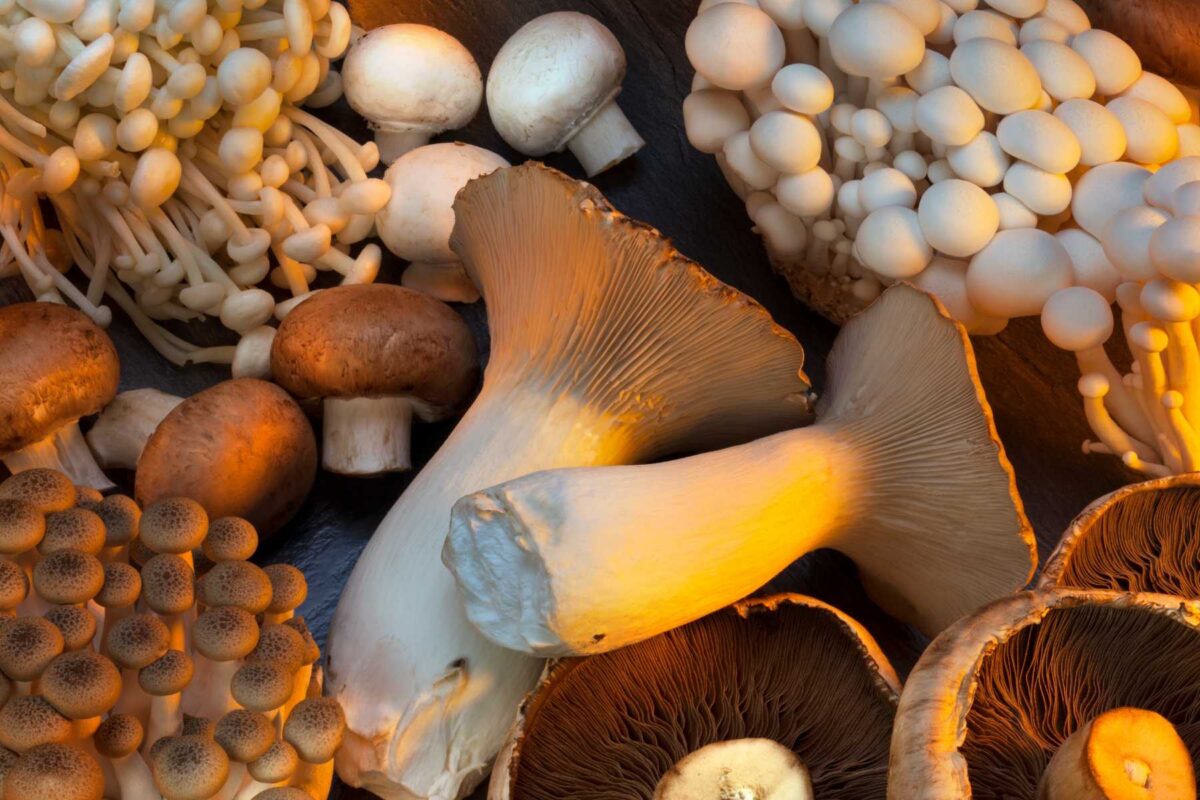
Functional mushrooms are varieties known for their long history in traditional practices and natural wellness routines. Unlike button mushrooms used in cooking, these types are appreciated for their unique compounds, flavours, and textures. Many people explore them as part of a balanced lifestyle, whether through drinks, powders, or simple daily habits.

Common Types You’ll See

A few mushrooms tend to appear more often in modern functional products. Lion’s Mane is known for its striking appearance, Reishi is often associated with evening routines, and Chaga is commonly gathered in colder regions like parts of BC. Cordyceps, Turkey Tail, and Maitake also show up frequently. Each type offers its own characteristics, and beginners usually start with one variety before branching out.

How People Usually Use Them

Most beginners add functional mushrooms to things they’re already doing day-to-day. Powders often go into coffee or smoothies. Capsules are used when someone wants something quick and flavourless. Liquid extracts appeal to people who want a concentrated option they can mix into hot water or tea. There’s no right or wrong approach—just whatever feels easy enough to stick with.

Understanding Fruiting Body and Mycelium

Labels often mention “fruiting body” and “mycelium,” which simply refer to different parts of the mushroom. The fruiting body is the familiar cap and stem we see above ground. The mycelium is the root-like network that grows through wood or soil. Companies choose one or the other based on their production method, and shoppers usually pick based on preference and transparency.

Choosing a Product as a Beginner

When browsing options, it helps to look for clear ingredient lists, information on sourcing, and whether the company uses fruiting bodies, mycelium, or a blend. Some brands also share testing or certification details. Many BC shoppers gravitate toward Canadian producers because of local familiarity and transparency around how the mushrooms are grown.

At Organic Mushrooms, we provide COAs for all of our functional mushroom products, giving you clear insight into exactly what you’re getting. Check out our Transparency page to learn more.

Starting a Simple Routine

The easiest approach is to begin with one mushroom type and one format. Add it to something you already enjoy—maybe your morning coffee or a nightly tea. Get used to the flavour, adjust the amount slowly, and see how it fits into your routine. Once you’re comfortable, you can explore blends or switch formats to find what works best for your lifestyle.

Final Thoughts for Beginners

Functional mushrooms are approachable, adaptable, and easy to integrate into everyday habits. Whether you’re curious about BC-grown varieties or simply want a straightforward starting point, choosing one product, keeping things simple, and paying attention to transparency in sourcing makes the whole process smoother and more enjoyable.

0
0
Your Cart
Your cart is emptyReturn to Shop
Generic selectors
Exact matches only
Search in title
Search in content
Post Type Selectors